A Comprehensive Guide to Understanding Garage Door Mechanisms Jun 16, 2026
Garage doors are essentially made up of several moving parts all working in unison. Let's delve into the critical components and how they function.
First, consider the springs, which are often the most vital part of any garage door mechanism. Springs are responsible for bearing the door's weight, making it easy to open and close. There are two main types: torsion springs and extension springs. Torsion springs are usually located directly above the door and provide a smoother function and longer lifespan. In contrast, extension springs are mounted above the door tracks and are cheaper but can be more dangerous due to the high tension they operate under.
The next component is the garage door opener. Most modern homes have an automated opener, which uses a motor and a trolley mechanism to lift and lower the door. An opener not only adds convenience but also safety features, such as automatic reversal and motion sensors, to prevent accidental injuries or damage.
Let's not forget the tracks and rollers, which guide the door in motion along the walls and ceiling. Over time, due to regular use, these parts might get misaligned or worn out. Regular inspection and maintenance can prevent the door from becoming jammed or excessively noisy.
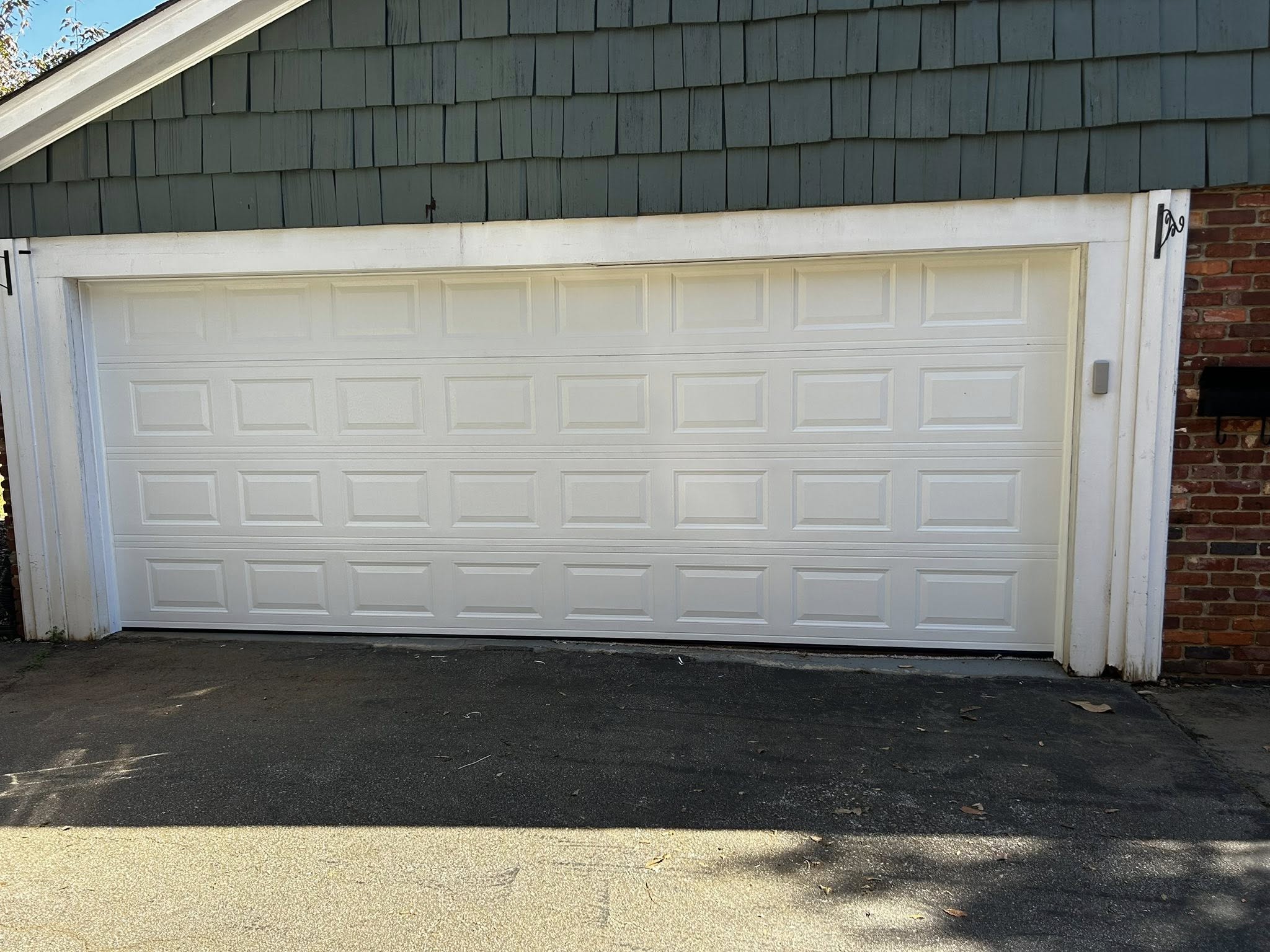
Garage doors also consist of panels which are the actual sections that make up the door's face. These panels can be made of various materials, including steel, aluminum, wood, or fiberglass. Each material offers different benefits, from steel’s durability to wood’s classic aesthetic appeal.
The cables, which help lift the door by transmitting energy from the springs, are another critical component. These are usually attached to brackets at the bottom of the door and run through the pulleys to the springs. Like the springs, cables are under significant tension and require regular checks to ensure they function correctly.
Another important aspect is the weather sealant that lines the door edges. This part might not seem significant, but it plays a vital role in insulating the garage, keeping out moisture, dust, and pests. A well-maintained weather seal can also contribute to improved energy efficiency in your home.
Lastly, the remote or keypad you use to control the garage door is part of the automation system, offering convenience and security. Modern automation systems come with features like rolling code technology, which changes the access code every time you use it to prevent unauthorized access.
In conclusion, understanding your garage door mechanisms can save you time and money on repairs and replacements. Regular maintenance and inspection by professionals like those at Legacy Garage Doors LLC ensures your garage door remains functional, safe, and reliable for years to come. If you ever suspect a problem, don't hesitate to reach out to a qualified garage door technician to help keep your door operating smoothly and your household safe.
/filters:no_upscale()/filters:format(webp)/media/28d2b4a7-16ac-4b87-b611-6e1836fb0df6.jpeg)